August 7, 2026
A Hat Company's Bourbon vs. the Distillery That Made It
Or subscribe where you already listen
New episode every weekday morning. The Cut Weekend lands Saturday and Sunday.
Read the full transcript
This is The Cut. American whiskey, daily.
A hat company just spent three years doing what most celebrity bourbons skip entirely — and today we're putting it up against the whiskey that helped build it. Here's the release that's actually worth arguing about this week.
I'm John from Chasing the Unicorn Podcast. Here's what moved today. August 7, 2026.
Today's Big Move — Stetson. Yes, the hat company. Founded in 1865, selling cowboy hats for a hundred and sixty-one years, and this week it bottled its first whiskey.
Here's why that's not just another logo slapped on someone else's barrel. Stetson's parent company spent three years working with a Kentucky master blender, Dan Callaway, sourcing and tasting barrels from two real distilleries — Green River and Bardstown Bourbon Company — before signing off on a final blend. The result is a hundred-proof, high-rye Kentucky straight bourbon, averaging seven years old, and both distilleries are named right on the label. That's the detail that matters. Most brand-extension whiskey hides its sourcing. This one put it front and center.
It launched August 4th at seventy dollars, direct-to-consumer and at select Texas retailers, with wider distribution still coming. My take — naming two distilleries and taking three years to blend them together doesn't guarantee the whiskey's great. But it does mean this bottle earns the right to be judged on its own merits instead of written off as a novelty. So let's judge it.
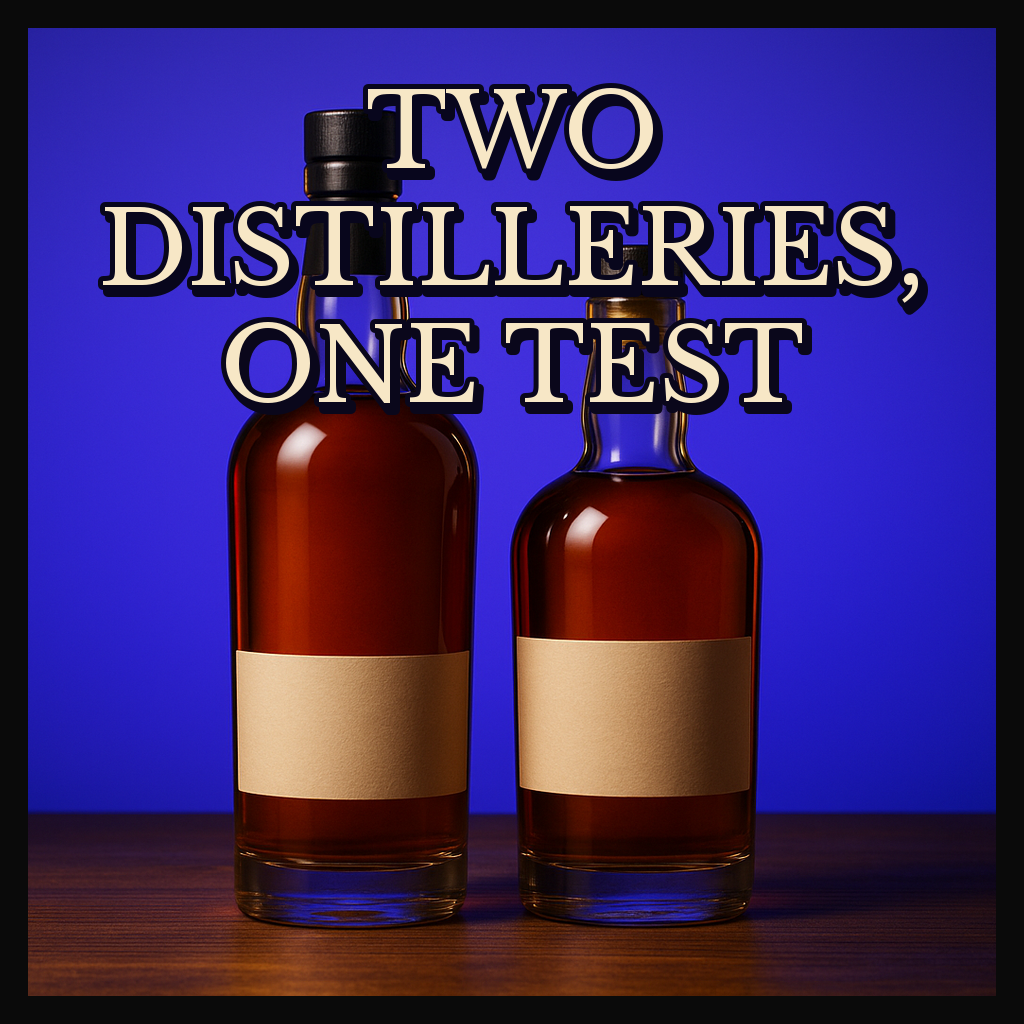
Now — today's Flight. Every Friday we put two bottles side by side and settle something. Today it's Stetson against one of its own sources — Green River's own bourbon, the standard release, ninety proof, traditional mash bill, twenty-five dollars.
Here's the question worth asking: what did three years of blending with a second distillery actually add? Green River on its own is corn-forward, easy, built for a Tuesday night pour. Stetson leans high-rye, so expect more spice up front — black pepper, cinnamon — and a longer, sharper finish. If Stetson tastes meaningfully more complex than Green River's own bottle, that's Callaway's blending doing real work. If it tastes basically like Green River with more heat, the second distillery didn't buy you much beyond a label.
That's not a knock before I've poured it — it's the actual test. And it's a cheap one. Twenty-five dollars gets you the baseline before you spend seventy on the story.
This ties into the community argument running all week — whether MGP's contract whiskey business falling fifty-nine percent means sourced bourbon as a category is in trouble. Diageo posted a rough quarter too, American whiskey sales down eight percent. Different companies, same signal — demand cooled hard this year. Stetson's bet is the opposite of retreat. It's a brand-new entrant spending real money and real years to make sure its whiskey can stand on its own. Whether that bet pays off is exactly what Friday's flight is for.
Which brings me to today's First Sip — because the fastest way to hear what Stetson's high-rye mash bill actually means is to understand mash bills at all.
So here's what it is. The mash bill is the grain recipe before distillation, and it shapes flavor more than age or proof ever will. High-rye bourbons — Stetson's style, along with Bulleit and Old Grand-Dad — lean spicier and sharper, with pepper and cinnamon up front and a punchier finish. Wheated bourbons swap rye for wheat and go the other direction — softer, breadier, rounder in the mouth. Think Maker's Mark or Weller. Same corn base in both. The second grain is what decides which kind of drinker falls in love with it.
Neither style is better. High-rye tends to make a bigger cocktail. Wheated tends to be the gentler neat pour, especially if you're newer to this. Once you know which family you gravitate toward, you can read a mash bill on a label before you buy and know roughly what you're getting into.
What this changes — you don't need to taste-test every new release blind anymore. Check the grain, and you've already got a good guess.
If you're logging pours, put a high-rye and a wheated bourbon side by side in the Perfect Pour app this week and let your Pour Print tell you which family you actually lean toward — it's available now at theperfectpourapp.com.
One more worth knowing about — Wyoming Whiskey's State of the Union. Six years old, ninety-eight proof, built entirely from Wyoming-grown grain and limestone-aquifer water, timed to the two-hundred-fiftieth anniversary of the country. It's not chasing a national audience — it's sitting on shelves at exactly two stores in Wyoming, Kirby and Jackson, no shipping, seventy-nine ninety-nine. Most anniversary bottles lean on packaging and go national. This one leaned on sourcing and stayed home. If you're anywhere near either town, it's a walk-in — worth the stop. If you're not, it's a bottle to watch, because a release this regional either stays a local secret or it doesn't, and that's usually decided fast.
So here's the one thing to take from today. The best test for whether a new bourbon deserves your attention isn't the story on the label — it's what happens when you pour it next to the whiskey that made it possible. Stetson gave you that test for free this week. Take it.
That's The Cut. The full American Whiskey Industry Brief is free every morning at chasingtheunicornpodcast.com. I'm John Schuster. Thanks for joining me. Your unicorn is out there.
Listen to today's episode and find us on Spotify and everywhere you listen at chasingtheunicornpodcast.com/episodes — next episode Monday morning.
Informational and entertainment purposes only. Nothing here is investment advice. Verify before buying, trading, or bidding. We are not liable for errors or financial losses.
A hat brand out-bourboned two distilleries. Stetson spent three years blending barrels from Green River and Bardstown Bourbon Company into one debut bourbon — and today's AWIB pits it directly against one of its own sources.
The biggest story this window is a Western-wear brand entering bourbon the hard way — three years of blending work across two real Kentucky distilleries instead of a quick licensing deal. That matters because it raises the bar for what a "celebrity" bourbon is supposed to look like, and it gives readers a genuine side-by-side test to run at home. Today's edition also covers a 250th-anniversary Wyoming bourbon made entirely from in-state grain, a Nevada farm distillery capping its whiskey club at 500 members, and a debate over whether a major supplier's contract-whiskey collapse threatens the sourced-whiskey brands on your shelf.
Stetson has sold hats since 1865. It had never bottled whiskey — until this week. The brand's first bourbon isn't a quick licensing deal with a logo slapped on someone else's whiskey. It took a Kentucky master blender three years to sign off on. The bourbon is 100 proof, high-rye, Kentucky straight, averaging seven years old. It's distilled and bottled in Bardstown through a first-time partnership between two real producers — Green River Distilling Co. and Bardstown Bourbon Company. Master blender Dan Callaway spent three years tasting and sourcing barrels from both before finalizing the blend. That's unusual. Most brand-extension whiskey works the other way — one contract distiller fills an order, and a marketing team designs the label around it. Stetson named both distilleries right on the bottle. It launched August 4 at $70, sold direct-to-consumer and at select Texas retailers, with wider distribution still to come. The label carries a 1920s Lon Megargee painting, tying the bottle to the brand's actual heritage instead of generic cowboy branding. Two established Bardstown producers combining stock under one brand-new label is a genuinely unusual structure — and it's exactly the kind of release built for a direct comparison question: does three years of blending actually beat either contributor's own bottle on its own?
The mash bill — the recipe of grains before distillation — is the single biggest thing that shapes how a bourbon tastes, bigger than age, bigger than proof. Today's news hands you a clean example. Stetson's debut bourbon is high-rye, a mash bill style that leans spicier and sharper, with black pepper and cinnamon notes and a punchier finish. Today's AWIB pairs it against Unreined Wheated Bourbon, a brand-new Texas release where wheat replaces rye entirely — trading spice for softness, bread, and a rounder mouthfeel. Same shelf category, same release window, opposite grain families. High-rye bourbons (Bulleit, Old Grand-Dad, Four Roses' spicier recipes) tend to make bigger cocktails. Wheated bourbons (Maker's Mark, Weller, Larceny) tend to be gentler neat pours, especially for newer drinkers. Neither is "better" — they're built to hit different parts of your palate.
What this changes: once you know which grain family you gravitate toward, you can read a new label's mash bill before you buy and predict roughly what you're getting.
Floor erosion measures how far a bottle's resale price has dropped from its highest recorded sale. Zero erosion just means this bottle is too new to have a trend yet — released August 5, exclusively in Tennessee, it has one tracked sale so far, sitting modestly above its $44.75 retail price.
Rickhouse Report: 5 stories · Regional Report: 3 stories
◆ The Brief (free): https://chasingtheunicornpodcast.com/the-brief/
◆ Listen on Apple Podcasts: https://podcasts.apple.com/us/podcast/chasing-the-unicorn-bourbon-american-whiskey/id6788592653
◆ Listen on Spotify: https://open.spotify.com/show/1IZS2wXY7nAUcL9akukblE
◆ YouTube: https://www.youtube.com/@chasingtheunicornpodcast
Want the full picture? The complete American Whiskey Industry Brief — every section, every source, every story — is published free every morning at chasingtheunicornpodcast.com. Read it at chasingtheunicornpodcast.com/the-brief/.
Chasing a specific bottle? The Bourbon Release Calendar lists every lottery deadline, walk-up window and MSRP we're tracking — updated every morning.
Mentioned in this episode: Weller, Larceny, Four Roses, Bardstown, Maker's Mark, Old Grand-Dad, BTAC