
Chasing The Unicorn

Your Quest For the Perfect Pour

August 3, 2026S02E99CHASING THE UNICORN

Old Elk Released Three Bourbons in One Day to Prove a Point

← All episodes

August 3, 2026

Old Elk Released Three Bourbons in One Day to Prove a Point

Watch on YouTubeAll episodes

Or subscribe where you already listen

New episode every weekday morning. The Cut Weekend lands Saturday and Sunday.

Read the full transcript

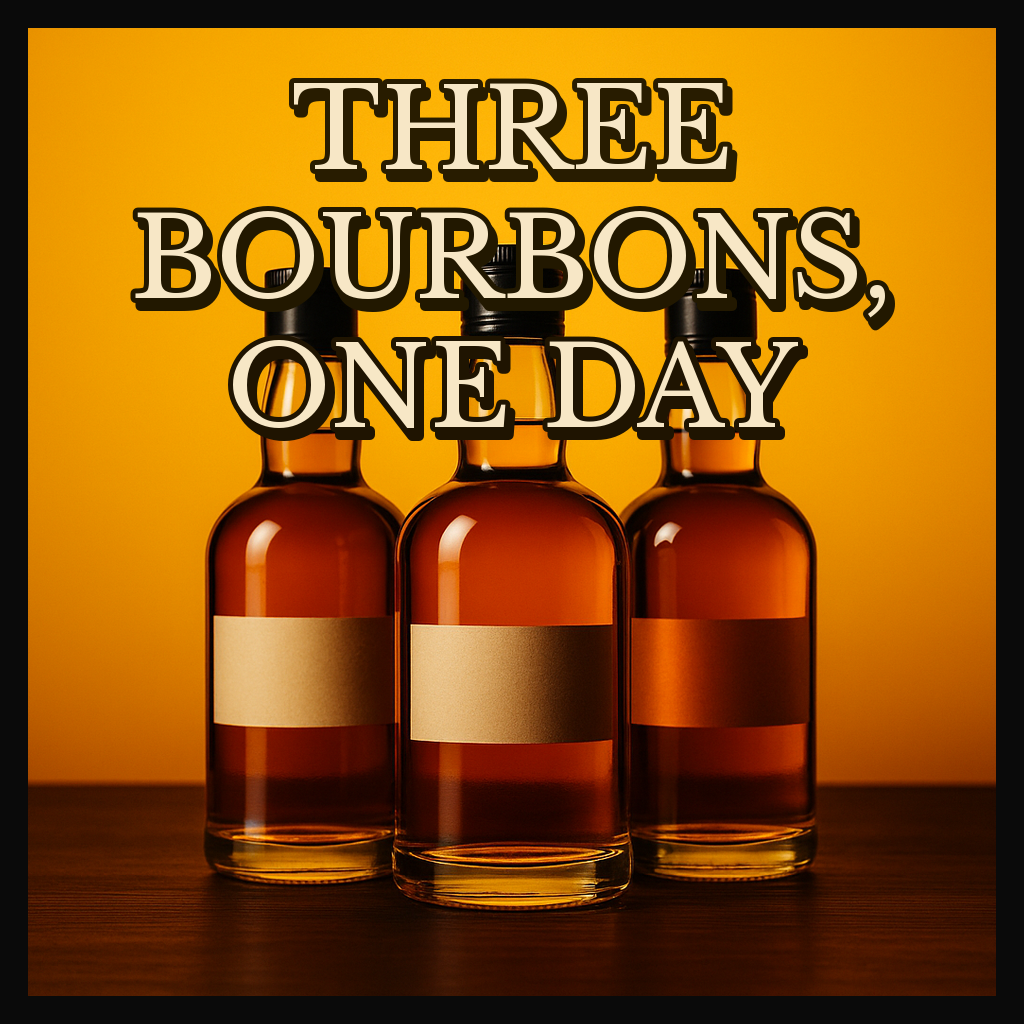
Same age, same price, three different bourbons. Old Elk just released a straight bourbon, a wheated bourbon, and a straight wheat whiskey — all 10 years old, all $69.99, all on shelves today. One label just handed you the cleanest grain-recipe lesson in bourbon, no guesswork required. But that's not even the biggest thing that happened this week.

I'm John from Chasing the Unicorn Podcast. Here's what moved today. August 3, 2026.

Today's Big Move is that Old Elk release, and it's worth slowing down on. Old Elk, out of Colorado, is under new ownership — Ohio's Middle West Spirits took over last year — and this is their first big statement since the deal closed. Three 10-year whiskeys, same day, same $69.99 price tag. What changes between bottles is only the grain recipe. The straight bourbon leans on corn, malted barley, and rye. Swap the rye for wheat and you get the wheated version — softer, rounder. Push the wheat all the way to 96 percent and you get a whiskey that's barely bourbon by grain makeup at all.

Here's why that's a bigger deal than it sounds. Normally, comparing mash bills means hunting down two different distilleries, hoping the age statements are close enough to be fair, and guessing at how much of the difference is really the grain versus just a different barrel program. Old Elk removed every other variable. Same distillery, same barrels, same day off the line. The only thing left standing is the choice that actually matters — what went into the still. Buy the straight and the wheated together for $140 and you've got the cleanest side-by-side test on the market right now.

Now — today's Rickhouse. It isn't just a bottle release moving the needle this week. The distribution side of this business just took its biggest hit in years, and it happened almost quietly.

Republic National Distributing Company — one of the two largest wholesalers moving whiskey through the three-tier system — filed for Chapter 11 on July 26th. Not a restructuring. A wind-down. They're listing between one billion and ten billion dollars in liabilities against more than a hundred thousand creditors. That's the kind of number that sounds abstract until you remember RNDC sits in the middle, between the distillery and the store you actually shop at.

Here's the twist, though — and it tells you this wasn't sudden. Before the filing ever went public, RNDC carved out its biggest, most contested territories. Georgia, New Mexico, and joint ventures across six more states, including Kentucky, are excluded entirely. Only their Alaska operation is actually inside the bankruptcy. That's not a company caught off guard. That's a company that spent months quietly protecting the pieces it cared about most before letting the rest go.

And RNDC isn't the only signal this week. MGP — the Indiana company that distills a huge share of the whiskey sold under other people's labels — reported earnings the same week. Their bulk-whiskey business, the one that built the company, fell 42 percent. Meanwhile Penelope, one brand inside their portfolio, grew 13 percent on top of a 92 percent surge last year. So you've got the historic core of the business shrinking hard, propped up by one growing label that didn't exist as a major player five years ago.

Put those two stories next to each other and you get the same pressure from opposite ends of the pipeline. The wholesaler moving too much inventory through too many contracts is buckling. The supplier making the bulk whiskey for everyone else is watching demand for that bulk whiskey collapse. And right in the middle of that same week, a new bulk-barrel exchange called Chevalier Casks launched out of Kentucky — basically an online marketplace built specifically so distilleries can move surplus barrels off their books. Nobody builds that kind of infrastructure unless they expect a lot of barrels are about to need somewhere to go.

My read — this is the supply glut finally showing its bones in public. It's not just distilleries quietly trimming production anymore. It's a wholesaler collapsing and a formal exchange popping up to handle the overflow, both in the same 72 hours.

Now — today's First Sip. So here's what it is. The mash bill is the recipe of grains that goes into the still before distillation ever starts. Every bourbon needs at least 51 percent corn — the rest is where a distillery makes its choice. Rye brings spice, black pepper, a sharper finish. Wheat softens things out, rounder, easier to sip without water. A little malted barley usually rounds the whole thing out with a biscuit note underneath.

Old Elk's release is the clearest classroom example on a shelf this year, because it strips away the noise that normally makes this comparison hard. Same distillery, same age, same price — the grain is the only variable left. What this changes — next time you're standing in front of two bottles wondering why one tastes rounder and one tastes spicier, you'll know exactly where to look. If you're using the Perfect Pour app, log a pour from each Old Elk bottle in your Logbook and watch your Pour Print separate the corn, rye, and wheat notes side by side — it's available now at theperfectpourapp.com.

One to grab this week — today's the last day to enter Ohio's State Fair bottle lottery for a shot at Buffalo Trace's Stagg Single Barrel. It's free to enter at the Ohio Department of Commerce booth at the fairgrounds in Columbus, winners get announced August 8th, and pickup is available at any OHLQ location — no single-site hassle. Stagg Single Barrel routinely trades well above retail once it hits secondary channels, so a free lottery shot at standard state pricing is about as low-risk a chase as you'll find all month. If you're anywhere near Columbus today, it costs you nothing to enter.

So here's the takeaway. The industry's telling you two things at once this week, and they're not in conflict. A distributor collapsing and a bulk exchange launching means the supply side is still working through excess. But a distillery handing you three bottles built around one clean grain lesson means the shelf itself is still worth your attention and your curiosity. The plumbing behind bourbon is getting messier. What actually lands in your glass doesn't have to be.

That's The Cut. The full American Whiskey Industry Brief is free every morning at chasingtheunicornpodcast.com. I'm John Schuster. Thanks for joining me. Your unicorn is out there.

A distillery just gave bourbon drinkers a free lesson in how the spirit is built. Old Elk, now under Ohio's Middle West Spirits, released three 10-year whiskeys on the same day at the same $69.99 price — a straight bourbon, a wheated bourbon, and a straight wheat whiskey — with only the grain recipe changing between bottles. That's the cleanest side-by-side mash-bill comparison on shelves this year, no separate distillery hunt required. Today's episode also covers Republic National Distributing Company's Chapter 11 filing, MGP Ingredients' bulk-whiskey business falling 42% while Penelope Bourbon keeps growing, and the last day to enter Ohio's free lottery for a shot at Buffalo Trace's Stagg Single Barrel. Listen to today's full Cut for the complete breakdown.

Listen to today's episode and find us on Spotify and everywhere you listen at chasingtheunicornpodcast.com/episodes.

The Cut Daily
The pulse of American whiskey: What moved — and why it matters.
Chasing the Unicorn Podcast Edition · A Drunken Unicorn Production
Report Date: August 3, 2026
Reporting Period: August 1, 2026 through August 3, 2026
Classification: Free Edition · Share with Attribution
Free Edition · The Cut Daily · Chasing the Unicorn Podcast · A Drunken Unicorn Production · Drunken Unicorn Productions, LLC. The Cut Daily is the free gateway brief to the American Whiskey Industry Brief. Share, quote, and repost freely with attribution. Required attribution: "The Cut Daily · August 3, 2026 · Chasing the Unicorn Podcast · A Drunken Unicorn Production." The full AWIB is published free every morning at chasingtheunicornpodcast.com. Permissions and inquiries: chasingtheunicornpodcast.com.

Informational and entertainment purposes only. Nothing here is investment advice. Verify before buying, trading, or bidding. We are not liable for errors or financial losses.
What Is The Cut Daily? — The Cut Daily is the free written brief from Chasing the Unicorn. Every weekday we translate the biggest moves in American whiskey into plain English, teach one bourbon concept you can use at the shelf today, flag one bottle under $60 worth knowing about, and curate three Hunt picks across three price tiers. Knowledge-first chase. No FOMO. Just what moved and why it matters.
The full American Whiskey Industry Brief — every story, every Hunt entry, every debate, every auction — is published free every morning. If you want the full pour, not just the taste, read it at chasingtheunicornpodcast.com/the-brief/.
The Cut Daily is the free written companion to today's American Whiskey Industry Brief.
IN TODAY'S CUT

Same age, same price, three different bourbons. Old Elk just released a straight bourbon, a wheated bourbon, and a straight wheat whiskey — all 10 years old, all $69.99, all on shelves today. One brand just handed you the cleanest grain-recipe lesson in bourbon, no guesswork required.

A distillery just gave you a free lesson in how bourbon is built. Old Elk, under new ownership since last year, released three 10-year whiskeys on the same day at the same price — differing only in the grain recipe. That matters for you because it's the easiest, cheapest way to actually taste what "mash bill" means instead of just reading about it. Today's edition also covers a national whiskey wholesaler's bankruptcy filing, a Bottled-in-Bond debut from a Tennessee brand, and a Kentucky Bourbon fair lottery closing tonight.

THE BIG MOVE
One Distillery, Three Bourbons, Same Day — Old Elk Just Made the Mash Bill Argument For You
Event Date: 2026-07-28

Old Elk Distillery in Colorado just did something rare. Under its new owner, Ohio's Middle West Spirits, the brand released three 10-year whiskeys on the same day — a straight bourbon, a wheated bourbon, and a straight wheat whiskey. Same age. Same $69.99 price. Different grain recipe in every bottle. The straight bourbon leans on corn, malted barley, and rye. Swap in wheat instead of rye and you get the wheated version — softer, rounder. Push the wheat all the way to 96 percent and you get the third bottle, a whiskey that's barely bourbon at all by grain makeup. Old Elk's chief commercial officer called this a deliberate invitation — buy two, taste them side by side, and you'll hear the grain recipe doing the work instead of the barrel or the age. That's usually a harder lesson to set up. Most mash bill comparisons mean hunting down two different distilleries at two different price points and hoping the age is close enough to be fair. Old Elk removed every other variable. Same distillery, same barrel program, same day off the line. What's left is the one thing that actually changed — the grain going into the still.

What It Means For Your Shelf — Nothing forces you to buy all three. But if you've ever wondered what "wheated" versus "high-rye" actually tastes like, $140 buys you the cleanest side-by-side test on the market right now.
From today's AWIB Opening Pour. This is one of four lead stories in today's AWIB Opening Pour. The other three: RNDC's Chapter 11 filing and what it means for shelf distribution; MGP's earnings showing a 42% drop in its bulk-whiskey business; Garrison Brothers' 2028 Hye Rye pre-sale. Read all four lead stories in The Brief →
Back to top story
FIRST SIP
The Mash Bill
Paired with today's: Old Elk's simultaneous straight bourbon, wheated bourbon, and straight wheat whiskey release

Today's Big Move is a live demonstration of this concept, so let's start there. The mash bill is the recipe of grains that goes into the still before distillation ever happens. Every bourbon needs at least 51% corn — the rest is where distilleries make their choice. Rye adds spice: black pepper, cinnamon, a sharper finish. Wheat softens things — rounder, mellower, easier to sip without water. A small amount of malted barley usually rounds things out with a biscuit-like note.

Old Elk's three-bottle release is the clearest classroom example you'll find on a shelf this year. Same distillery, same age, same price — the only thing that changed between bottles was the grain recipe. That's usually invisible to a casual buyer, because most comparisons force you to also account for a different distillery's house style or a different age statement. Here, none of that noise exists.

The Perfect Pour app — available now. Log a pour from each of the three Old Elk bottles in your Logbook and watch your Pour Print separate corn-forward, rye-forward, and wheat-forward notes side by side. Build your Rickhouse →
Back to top story
TODAY'S ENTRY BOTTLE
Elijah Craig Bottled-in-Bond
$28.99 Widely stocked at most liquor stores and grocery chains carrying spirits.
Flavor Profile — Traditional Kentucky bourbon — expect notes of caramel, vanilla, and light oak spice consistent with its rye-forward mash bill. The 100-proof pour carries more weight than Elijah Craig's standard small batch without becoming hot.
Production Context — Distilled and aged at Heaven Hill's Bardstown operations, this bottle clears the federal Bottled-in-Bond requirements — single distilling season, at least four years in a federally bonded warehouse, bottled at exactly 100 proof. No blending tricks, no shortcuts.
Why This Matters — With Bib & Tucker's first-ever BiB debuting this same window, this is a good week to taste what the 1897 federal standard actually promises — full proof, verified age, one distillery, no exceptions.
Back to top story
THE CHASE
How to read the chase ratings
YESworth chasing
WATCHhold for now
PASSskip this one
Bottle 1 — Under $80
Ohio State Fair Stagg Single Barrel Bottle Lottery
Window: Entries close August 3, 2026; winners announced August 8, 2026
Where: Ohio Department of Commerce booth, Bricker Marketplace, Ohio State Fair, Columbus
MSRP: Standard OHLQ retail pricing (not separately published)
Flavor Profile — Profile unconfirmed — watch for early reviews once winners collect.
YES
Rationale — This is the last day to enter a free lottery for a chance to buy Buffalo Trace's Stagg Single Barrel at standard state pricing — a bottle that routinely trades well above retail once it reaches secondary channels. Zero cost to enter, and pickup is available at any OHLQ location.
Bottle 2 — $80 to $200
Stranahan's Bottled-in-Bond 11-Year
Window: On sale since August 1, 2026; expanding to new states through summer 2026
Where: Stranahan's distillery, Denver, Colorado; expanding to California, Texas, Florida; nationwide shipping where legal
MSRP: $159.99
Flavor Profile — Aged 11 years in #3 char American oak, bottled at the federal 100-proof minimum, distilled entirely within a single 2015 season.
YES
Rationale — Colorado's first Bottled-in-Bond release is a genuine single-season snapshot rather than a blended-for-consistency bottle, and it's still available direct from the distillery as it expands into new states this month.
Bottle 3 — $200 and up
No confirmed $200-plus release landed in this window. We'd rather tell you that than stretch a $99.99 pre-sale or an unpublished-MSRP lottery bottle to fill the slot.
Today's AWIB Hunt section covers 5 active drops, lotteries, and walk-up windows with full palate direction, rationale, and the Hunt Intelligence Note. See the full Hunt in The Brief →
Back to top story
THE BAR TALK
Does a Major Distributor's Bankruptcy Actually Change What's on Your Shelf?

Republic National Distributing Company, one of the two largest wholesalers moving American whiskey through the three-tier system, filed for Chapter 11 bankruptcy on July 26 and is winding down rather than restructuring. That sounds like a five-alarm fire for anyone shopping for bourbon. But the filing carved out several major territories — Georgia, New Mexico, and joint ventures across six more states, including Kentucky — before the paperwork ever became public. The real question the bourbon community is arguing over: does this actually thin your local shelf, or did the company plan its own exit carefully enough that most drinkers won't feel it?

First Sip Moment —

This debate runs on the three-tier system — the Prohibition-era rule that splits American alcohol sales into producer, distributor, and retailer, with distilleries legally barred from selling straight to you in most states. A distributor collapsing means every brand routed through its network needs a new wholesale partner, and that renegotiation touches allocation, pricing, and shelf placement all at once. It's also why some states feel this filing and others barely notice it — RNDC's footprint wasn't uniform to begin with.

The Math —

RNDC's filing lists between $1 billion and $10 billion in liabilities against more than 100,000 creditors. Proximo Spirits is the largest unsecured creditor at $94 million, Delicato Family Wines second at $14 million. Existing lenders have committed financing to keep remaining operations running through the bankruptcy process. Excluded from the filing: National Distributing Company's Georgia and New Mexico operations, plus joint ventures in New York, Illinois, Ohio, Michigan, Indiana, and Kentucky. Only the Alaska joint venture is included.

What It Means For The Rest Of Us —

If your regular store's shelf thins out this fall, ask if RNDC was their distributor — the damage is regional, not universal.

Today's AWIB Bar Talk has 2 more debates with full source citations, fact-checked positions, and editorial assessment. Read the full debates in The Brief →
Back to top story
SECONDARY SPOTLIGHT
Buffalo Trace Double Eagle Very Rare 20 Year (VAREP Central Kentucky Raffle Grand Prize)
Realized Price
Not applicable — bottle rarely reaches secondary channels at all
Peak Price
Not applicable — no tracked secondary history to compare against
Floor Erosion
N/A — a $100 raffle ticket (500 tickets sold, no purchase limit) is the access mechanism here, not a resale transaction, so there's no realized-versus-peak comparison to run.
What Floor Erosion Means —

Floor erosion normally measures how far a bottle's resale price has fallen from its all-time high — a way of tracking whether secondary demand for a bottle is climbing or fading. Double Eagle Very Rare doesn't have that history because Buffalo Trace releases it in such small numbers that it almost never shows up in normal resale channels for collectors to price. That absence is itself the data point: a $100 entry fee against a prize this scarce is a completely different kind of access than buying (or reselling) a bottle that trades regularly.

The lesson: When a bottle has no secondary track record at all, that's usually a sign it's genuinely rare — not just marketed that way.
Today's AWIB Secondary section grades 2 more bottles with realized prices, floor erosion math, lineage notes, and buy/hold/sell calls. Read the full secondary report in The Brief →
Back to top story
ALSO IN TODAY'S AWIB
Today's Flight: Old Overholt Extra Aged Cask Strength 11-Year Rye vs. Bib & Tucker 8-Year Bottled-in-Bond — full comparison and verdict in the AWIB.
Today's AWIB Opening Pour also covers RNDC's Chapter 11 filing and what it means for regional shelf access, plus MGP Ingredients' Q2 earnings showing its bulk-whiskey business down 42% while Penelope Bourbon keeps growing.
Today's AWIB Rickhouse Report covers Chevalier Casks, a new Kentucky bulk-barrel exchange that launched this week to help distilleries move surplus aging inventory — a structural response to the same supply glut driving MGP's numbers.
Today's Full AWIB Includes (in reading order)
Bar Talk: 3 debates · The Hunt: 5 active drops · Label Room: 5 items · The Secondary: 3 graded bottles
Rickhouse Report: 5 stories · Regional Report: 3 stories
The full AWIB walks today's bourbon world in reader-forward order — the Opening Pour lead stories, the community Bar Talk, the side-by-side Flight comparison, every active Hunt window, the full Label Room pipeline, the Secondary market grading, and the industry-depth Rickhouse, Regional, and Research Notes coverage. Plus full source trail. Read the full Brief →
Back to top story
The Perfect Pour — available now.
Build your Rickhouse, log every pour in your Logbook, and learn your palate with your Pour Print — the app that turns every pour into your next discovery.
Founder’s rate: lock $99/year for life as a Bourbon Keeper (through July 3, 2027).

Want the full picture? The complete American Whiskey Industry Brief — every section, every source, every story — is published free every morning at chasingtheunicornpodcast.com. Read it at chasingtheunicornpodcast.com/the-brief/.

Read the Full Brief

Chasing a specific bottle? The Bourbon Release Calendar lists every lottery deadline, walk-up window and MSRP we're tracking — updated every morning.

Mentioned in this episode: Buffalo Trace, Stagg, Heaven Hill, Elijah Craig, Bardstown, Garrison Brothers, BTAC

About John Schuster II

John Schuster II is the host of Chasing the Unicorn Podcast and the editor and publisher of the American Whiskey Industry Brief. A retired U.S. Army Major who spent twenty-six years across the Navy and Army — and an Executive Bourbon Steward — he built a career on systems and on teaching, and now points both at American whiskey. The Cut is his daily take on what moved in bourbon and why it matters, made the way he makes everything: for someone, not everyone. More at momentfirst.com.

About Shauna Hann

Shauna Hann is the editor and a contributor across Chasing the Unicorn Podcast and the American Whiskey Industry Brief, and co-host of Beyond the Cut. A teacher of more than twenty years — including at West Point and across the U.S. Army — she brings historical depth and structural rigor to the work, and a gift for making complex things simple. More of her work is at shaunaonthego.com.