The Cut — July 7, 2026 — SE02E72 — E.H. Taylor Jr. BiB 2026: The Man Who Passed the Law, $69.99

In this episode
E.H. Taylor Jr. Single Barrel Bottled-in-Bond 2026 is at your store this week. The bottle cleared federal TTB review at 100 proof on July 3 and is distributing nationally through Buffalo Trace’s three-tier channels
Mentioned in this episode: E.H. Taylor, Wild Turkey, Russell’s Reserve, Maker’s Mark
Read the full transcript
This is The Cut.
Honey and vanilla on the nose. Bold caramel and rye spice through the middle. A long, warming finish with toasted oak that doesn’t let go. That’s Wild Turkey Rare Breed Barrel Proof — uncut, unfiltered, arriving at retail this week.
I’m John from Chasing the Unicorn Podcast.
Here’s where we want to end up: Wild Turkey Rare Breed Barrel Proof 2026 Batch 02 in your hands at $59.99, bought before the current distribution window closes.
Here’s what makes it tricky. Rare Breed Barrel Proof moves through the three-tier system on the distributor’s schedule, not yours. No lottery, no app notification, no press release. Bottles land at retail and clear before most drinkers realize the window opened. The people paying more on the secondary in six weeks aren’t uninformed. They just assumed the bottle would wait.
Here’s the move. Find a retailer carrying Wild Turkey standard allocation this week and buy a bottle of 2026 Batch 02 at $59.99.
Two things make this call clean. First: what Eddie Russell’s barrel-entry commitment produces at full concentration. Wild Turkey has run 107-proof barrel entry since 1954 — lower than most Kentucky distilleries then, still lower today. Lower entry proof means more water-soluble compounds pulled from the wood across the aging cycle. More wood integration. More complexity per year. At 117.2 proof, Batch 02 arrives in your glass at near-barrel concentration — the direct output of that 70-year production philosophy, nothing diluted.
Second: what the TTB COLA clearing this week actually signals. Three federal label approvals came through in 48 hours — Rare Breed Batch 02, E.H. Taylor Jr. Single Barrel Bottled-in-Bond 2026, and Maker’s Mark Cask Strength Batch 02. A COLA review isn’t a press release. It’s a federal audit of label claims. What’s on the bottle is what’s in the bottle. At $59.99 for an uncut, non-chill-filtered 117.2-proof Wild Turkey, Rare Breed Batch 02 is the strongest value in that group.
Three bottles on this week’s list. Rare Breed Barrel Proof leads — that’s the buy. Find it at any major account running Wild Turkey standard allocation. You’ve got three to four weeks before the current batch clears distribution.
Also on the list: E.H. Taylor Jr. Single Barrel Bottled-in-Bond 2026 at $69.99. One barrel, one distilling season, federal warehouse supervision, 100 proof — and the label named after the man who lobbied Congress to pass the Bottled-in-Bond Act in 1897. No lottery at most accounts this cycle.
The high end is quiet this week. No new Hunt entry above $200. That’s the honest picture — we’d rather say so than pad the list.
Full read on all three is in today’s Cut Daily on our website. Free.
A word of caution. Barrel proof means something different at 117.2 than it does at 100. The price of being wrong here isn’t paying too much — it’s drinking it wrong and writing off a bottle that deserved better. Add three drops of water to your first pour. At this proof, the heat arrives before the flavor does. Water backs it down, and what comes forward — the honey, the caramel, the rye spice — is exactly what earned the buy call. The rule of thumb worth keeping: the higher the proof, the more the first pour matters. Get that right and the bottle delivers. Miss it and you’re buying heat, not whiskey.
One more thing before we close. Today’s American Whiskey Industry Brief has the full side-by-side — Wild Turkey Rare Breed Barrel Proof 2026 Batch 02 against Russell’s Reserve 13-Year Single Barrel 2026. Both cleared federal review this week. Both hitting retail in the same window. Separated by $20 in MSRP and up to seven years of age. We have the tasting notes, the value comparison, and the verdict on which bottle makes the stronger argument for the Russell family’s production philosophy. We’re not calling it here.
That’s The Cut. Follow the show wherever you listen, so tomorrow’s brief finds you first. The full American Whiskey Industry Brief is at patreon.com/ChasingTheUnicornPodcast. I’m John Schuster. Thanks for joining me. Your unicorn is out there.
The Cut Daily
Listen to today’s episode and find us on Spotify and everywhere you listen at chasingtheunicornpodcast.com/podcast.

Informational and entertainment purposes only. Nothing here is investment advice. Verify before buying, trading, or bidding. We are not liable for errors or financial losses.
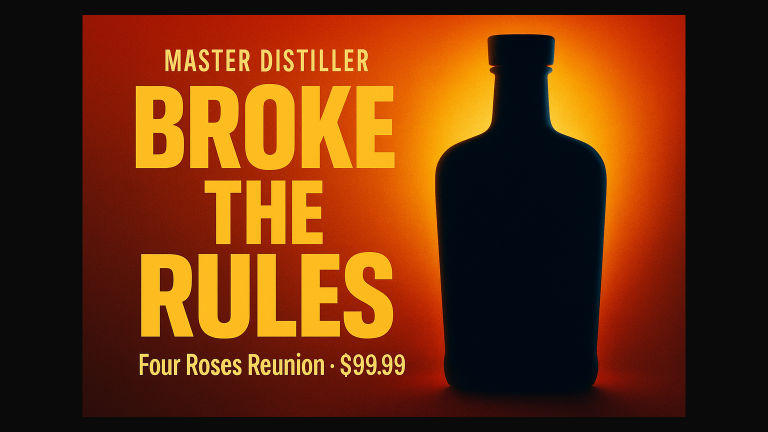
The man who passed the law. Colonel E.H. Taylor Jr. lobbied Congress to pass the Bottled-in-Bond Act in 1897. His name is on the bottle that cleared federal review this week at 100 proof. On shelves now at $69.99.
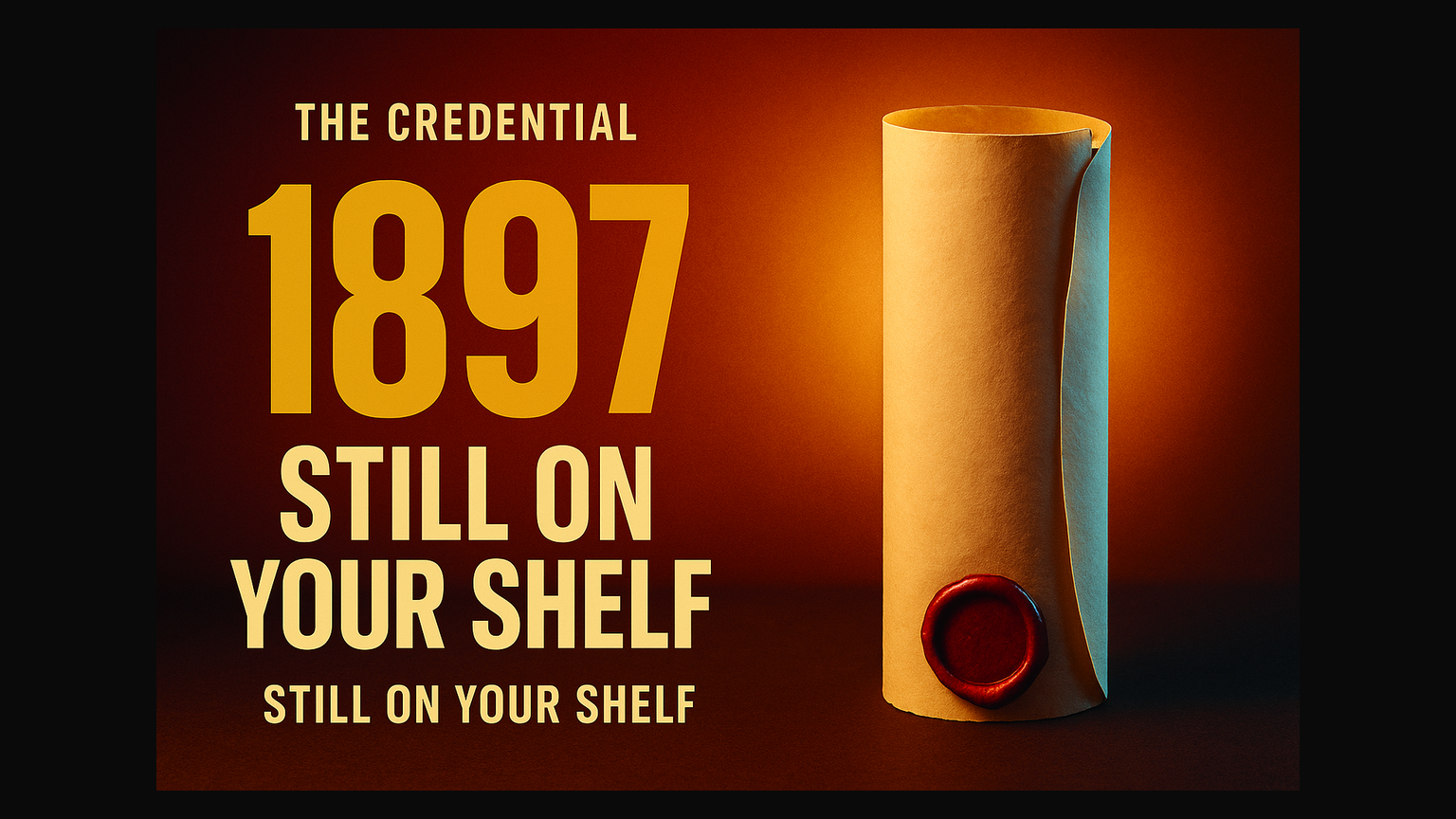
Tuesday’s Regulatory & Releases theme landed clean — three TTB approvals in 48 hours, all moving to standard retail with no lottery required. E.H. Taylor Jr. Single Barrel Bottled-in-Bond 2026 at 100 proof, Wild Turkey Rare Breed Barrel Proof 2026 Batch 02 at 117.2 proof, and Maker’s Mark Cask Strength 2026 Batch 02 at 108.9 proof are all distributing nationally this week at MSRPs between $59.99 and $69.99. Also in today’s edition: a direct community debate about whether the Bottled-in-Bond credential still does real consumer-signal work or has become the new “small batch” — and with seven days left on the Ohio OHLQ George T. Stagg 2026 lottery, the access math on whether free entry at 0.5% beats paying $1,150 on the secondary.
In 1897, adulterated whiskey was a real problem. Producers were cutting bourbon with tobacco juice, industrial alcohol, and prune extract to fake color and age — and consumers had no way to know. Colonel Edmund Haynes Taylor Jr. spent years documenting the fraud and lobbied Congress to end it. The result was the Bottled-in-Bond Act of 1897, the first consumer protection law in American history.
The four rules are still in force today. One distillery. One distilling season — either January through June or July through December. Minimum four years in a federally bonded warehouse under federal supervision. Bottled at exactly 100 proof without dilution. The TTB audits every label that claims the credential.
This week, E.H. Taylor Jr. Single Barrel Bottled-in-Bond 2026 cleared federal review at that statutory 100 proof and is distributing nationally through Buffalo Trace’s standard three-tier channels at $69.99 MSRP. No lottery. No pre-allocation requirement at most participating accounts.
The single-barrel specification layers something real on top of the BiB credential. Each bottle traces to one barrel, one distilling season, pulled from one federally bonded warehouse position and bottled without blending. Community tracking on prior E.H. Taylor Jr. Single Barrel BiB vintages puts the typical aging range at 8 to 12 years — well past the 4-year BiB floor. The 100-proof statutory presentation keeps it approachable: this is the most accessible entry in the Taylor lineup, and the most historically coherent label in the category. The colonel’s name is the argument.
In 1897, adulterated whiskey was killing people. Producers were cutting real bourbon with industrial alcohol, tobacco juice, and prune extract for color. Colonel Edmund Haynes Taylor Jr. pushed Congress to pass the Bottled-in-Bond Act — the first consumer protection law in American history. It said: if you want to call your whiskey “Bottled-in-Bond,” you meet four rules.
One distillery. One distilling season (January through June or July through December). Aged at least four years in a federally bonded warehouse. Bottled at exactly 100 proof.
That’s it. No bureaucracy, no marketing — just a guarantee of provenance, age, and strength.
Here’s why it matters today: Bottled-in-Bond bourbons are almost always the best value on the shelf. Four years minimum, real 100 proof, no blending tricks — and they frequently cost less than bottles making bigger marketing claims. Knob Creek 9-Year BiB at $39.99. Evan Williams BiB at $22.99. Henry McKenna BiB at $28. E.H. Taylor Jr. Single Barrel BiB at $69.99. The price range varies. The production standard is identical — federally audited and attached to a DSP number the TTB maintains.
What this changes: Look for “Bottled-in-Bond” the next time you’re hunting a good bourbon under $75. The four words are not marketing. They are law.
Floor erosion is how much a bottle’s market value has dropped from its all-time high auction or secondary trading price. Parker’s Heritage Collection 2025 peaked at $385 in late 2022 — that’s what buyers paid on the secondary during the mid-tier allocation frenzy. It’s now trading at $205, meaning it has lost 46.8 percent of its peak value. The cause isn’t quality. It’s competition from the next vintage. The 2026 Parker’s Heritage COLA filed this week at $99.99 MSRP puts a confirmed successor on its way to shelves this fall. When a new vintage is officially confirmed with a spec and a known release window, buyers redirect their attention forward. The 2025 bottle is the same whiskey it was in November 2025. The market is just pricing the replacement.
Rickhouse Report: 5 stories · Regional Report: 3 stories
◆ Full AWIB (Paid Patreon Subscriber): https://www.patreon.com/c/ChasingTheUnicornPodcast
◆ Listen on Spotify: https://open.spotify.com/show/56Lt67gvTPjifCyeqFW3IT
◆ YouTube: https://www.youtube.com/@chasingtheunicornpodcast
Want the full picture? The complete American Whiskey Industry Brief — every section, every source, every story — is published daily for subscribers on Patreon. Join us at patreon.com/ChasingTheUnicornPodcast.